
‘If you were going to be trapped on an island, what items would you bring?’
Chances are you’ve been asked this question as part of some awkward icebreaker at least once in your life, and if you answered with ‘a trumpet, a frisbee and a plushie of a frog called Bing Bong’, I have just the game for you.
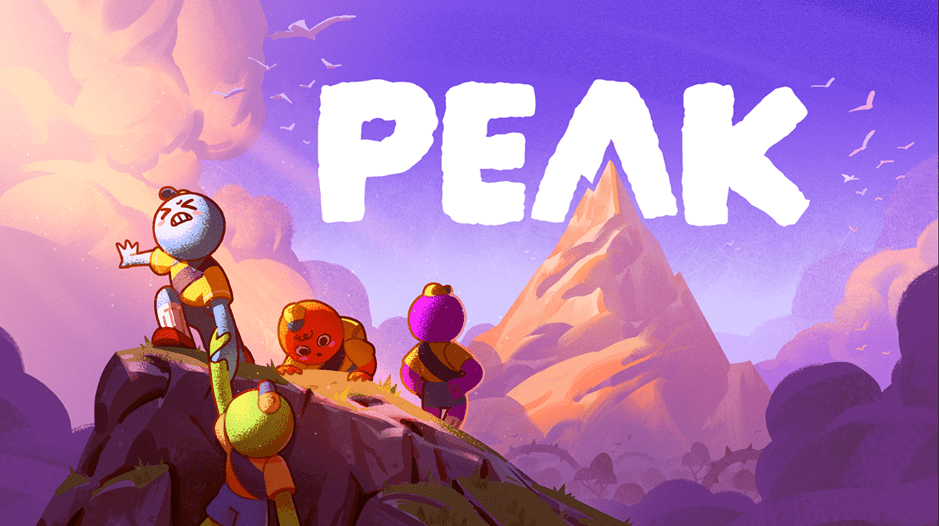
PEAK was released on the 16th of June 2025 and quickly gained popularity, now boasting over thirty thousand positive reviews on Steam. You play as a lost adventure scout crawling from the wreckage of a crashed aeroplane, now forced to scale a mountain, either alone or with up to three friends. And, speaking from experience, it will not be easy.
The game is divided into five sections, each featuring a different biome: Shores, Tropics, Alpine, Caldera, and The Kiln. In each one, the climbing experience and hazards are different, and you’ll have to change your approach several times throughout the game if you want to survive. The game does throw you one bone, though; only one of you has to reach the campsite between each biome for the entire team to be resurrected. However, only the ones who survive The Kiln get to escape the island, which is around about as treacherous and terrifying as the name sounds.
Gameplay
The aim of PEAK is simple: get to the top and try not to die. Actually managing to do that, however, is not. Each new biome comes with its own combination of hazards, whether they be environmental, botanical or… gravitational, and you’ll have to figure out how to avoid each one to survive. Reaching the campsite after each section requires planning, resource gathering, rationing and, if you’re playing with friends, teamwork. The controls are fairly simple and easy to get to grips with, and the game supports both mouse & keyboard, and controller. The physics can take a little getting used to, as you’ll have to learn how much stamina is needed to climb certain distances and how much ‘teetering’ is required to stay balanced on slippery surfaces.
PEAK is very much designed for co-op play. It uses proximity chat, meaning you can only hear people in-game who are within a certain distance from you, you’re able to share resources, and you can even give other players a helping hand up each incline. Hazards, health and hunger all affect the amount of stamina you have, and you’ll often end up with some of your team members having less stamina than others. All of this means you have a much better chance of succeeding if you stick together. The game allows you to invite up to three other players to conquer the mountain with you, but there are plenty of mods that enable you to invite more if needed.
Though PEAK is not an easy game, something that can help you is that death is not always permanent. As mentioned earlier, you have the chance to resurrect fallen (literally) teammates at each campsite. However, if this isn’t an option, dying doesn’t necessarily mean you can’t help your team. Once you’ve resigned yourself to the possibly temporary end of your climbing career, you become a ghost – specifically, a tadpole-shaped version of your character now equipped with the ability to move through solid objects. You can still speak to your friends in this form, though your movement is restricted to the area around whichever of them you choose to spectate. If you angle yourself correctly, you can help your team determine the safest route to continue or at least offer helpful commentary—or unhelpful commentary.
Sound & Visuals
Something PEAK does brilliantly is making each new section feel so different. Often in climbing or parkour games, the developers are so focused on the mechanics and the difficulty that they neglect other aspects, making the game feel tiresome and repetitive. While including varied locations is hardly a new idea, they often only really differ in appearance. With each biome in PEAK, the hazards, items, consumables, weather, surroundings and sound design all differ, creating an entirely new environment that almost makes you feel as if you’re playing a new game each time. The map also changes daily, which keeps it from getting too easy.
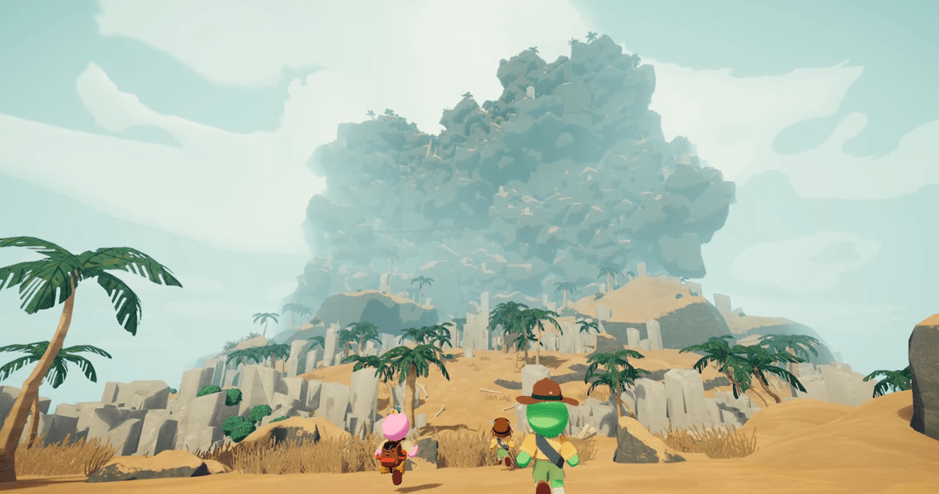
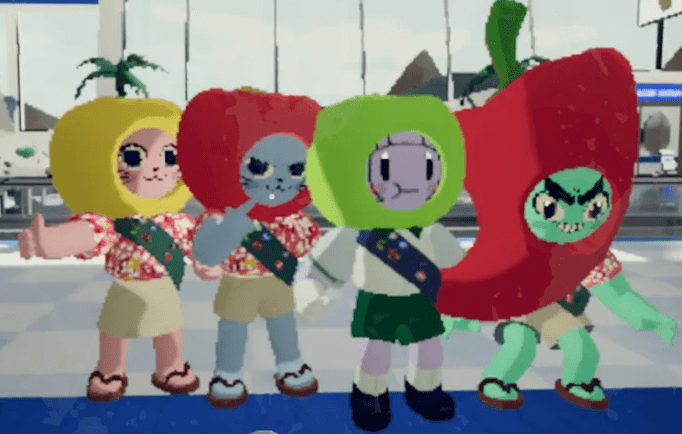
The game’s art style is cutesy and simplistic, while still being able to capture some impressive visuals within the limits of the style. PEAK also includes character customisation, with enough options that each player can end up looking reasonably unique. While the base game is perfectly fine on its own, adding mods is very easy and can give you a lot more to choose from in this department.
History & Development
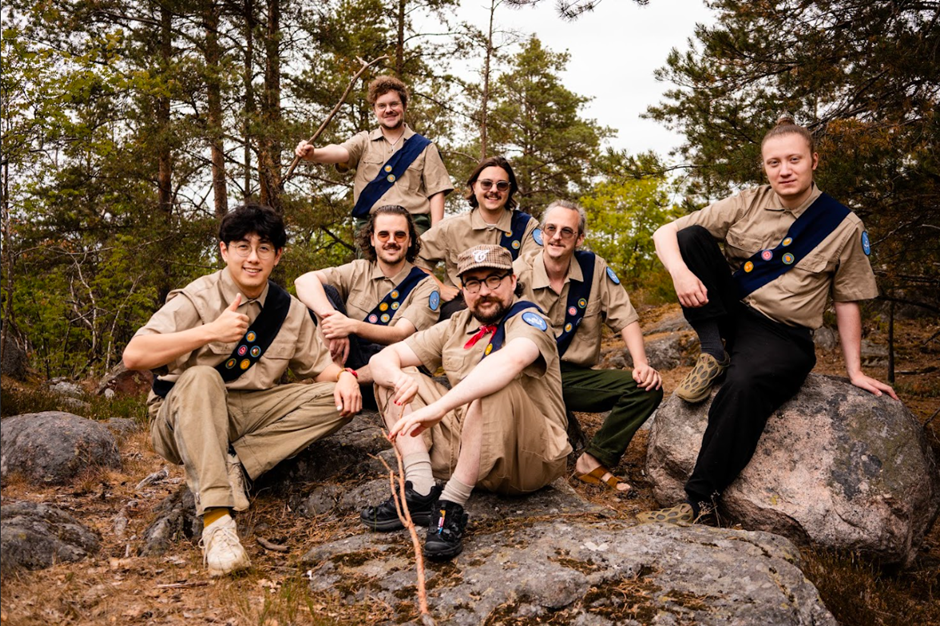
PEAK is a joint effort between Landfall Publishing and AGGRO CRAB, two teams that have been friends since meeting at a conference in 2022. The huge success of the game is that much sweeter because of the failure it came from. When AGGRO CRAB lost the funding for the sequel to another one of their games, ‘Going Under’, they joined forces with Landfall to make a small, simple game as a palate cleanser. And, after a one-month sprint at a game jam in South Korea, PEAK was the chaotic, absurd and obscenely popular result.
Is it worth it?
Priced at only £6.39 with no microtransactions, easy modding and a new procedurally generated map daily, PEAK is objectively absolutely worth the money as a product. But the potential for almost limitless shenanigans and hours of genuine fun is where the value of the game truly lies. It’s silly and simple, but still manages to create a sense of danger and urgency to get your heart racing and requires thought and planning to beat.
With the origin of PEAK being so centred on overcoming adversity through teamwork and a healthy dose of humour, it makes sense that those ideas extend into the game itself. Thankfully, the developers are still working on new content for PEAK and will likely continue to do so for the foreseeable future, so there are a lot of mountains for our adventure scouts to climb together yet.
 Darcy Maunder
Leave a comment